

Travel Notes

September is a wonderful time to visit Paris: summer crowds begin to ease, the city is still lively, and the weather is generally pleasant for walking, sightseeing, and enjoying long evenings outdoors.
Weather & What to Pack
What to expect: Early September in Paris is typically mild and comfortable, with daytime temperatures around 70–75°F (21–24°C) and cooler evenings around 55–60°F (13–16°C). Weather can vary, so expect a mix of sunshine, clouds, and occasional rain rather than guaranteed summer weather.

We recommend packing:
Lightweight layers for warm afternoons and cooler evenings
A light jacket, blazer, or cardigan
Comfortable walking shoes—you will walk more than you think!
A small umbrella or lightweight rain jacket
Sunglasses and sunscreen
A few nicer outfits for dinners, cocktails, and the wedding festivities
One dressier outfit for evenings at the opera, Moulin Rouge, or a Parisian restaurant
A small crossbody bag or secure day bag for sightseeing
A reusable water bottle
For the wedding: Parisian evenings can be cooler than expected, so bring a wrap, shawl, or light jacket if your outfit calls for one.
Electricity & Adapters
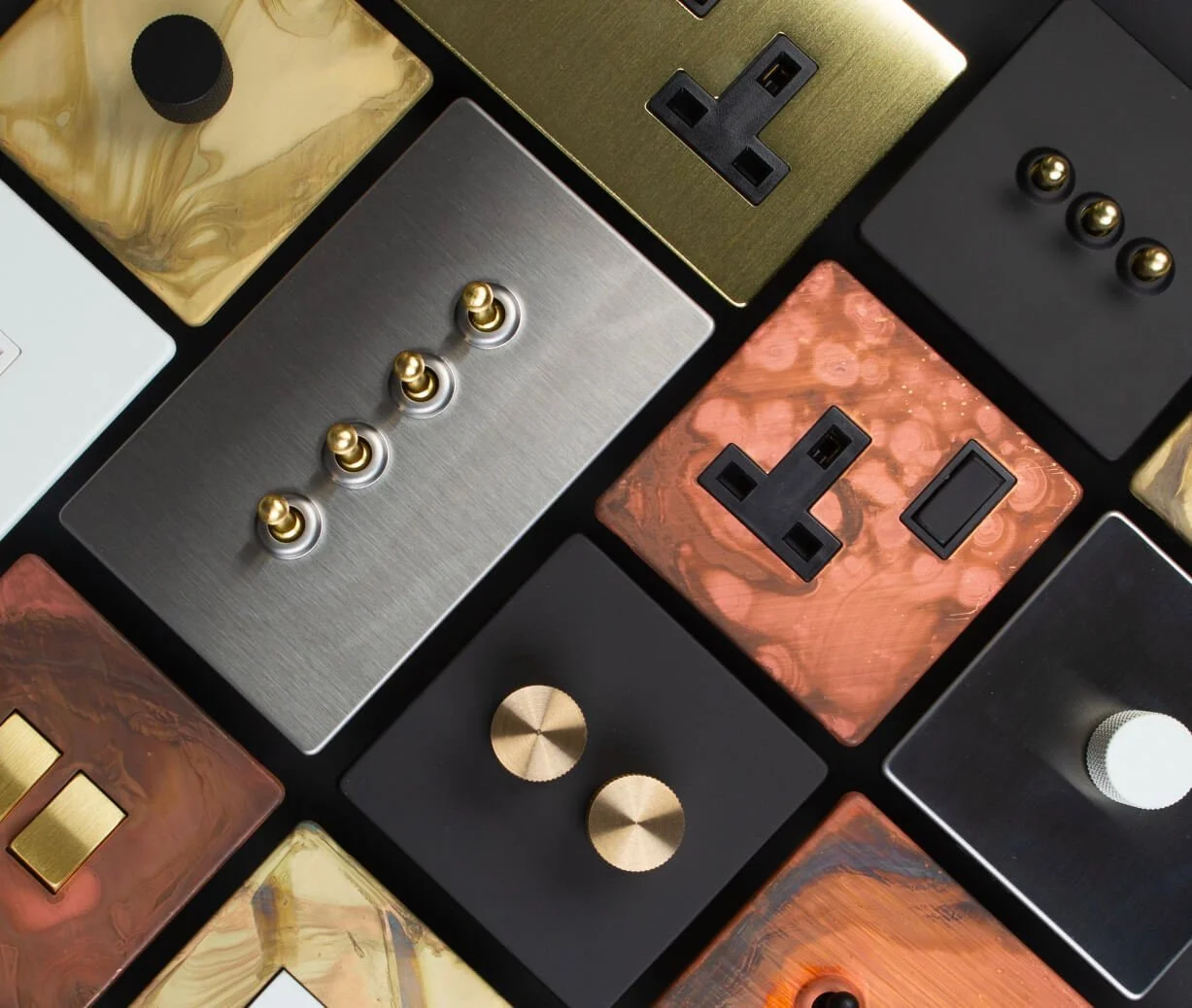
France uses 220–230V, 50Hz electricity and European Type E outlets, which are different from standard U.S./Canada outlets.
Bring a European plug adapter for phones, laptops, hair tools, etc. Most modern phone and laptop chargers are dual-voltage, but check the label on hair dryers, curling irons, straighteners, and other appliances before plugging them in. A voltage converter may be necessary for devices that are not dual-voltage.
Passports & Entry Requirements
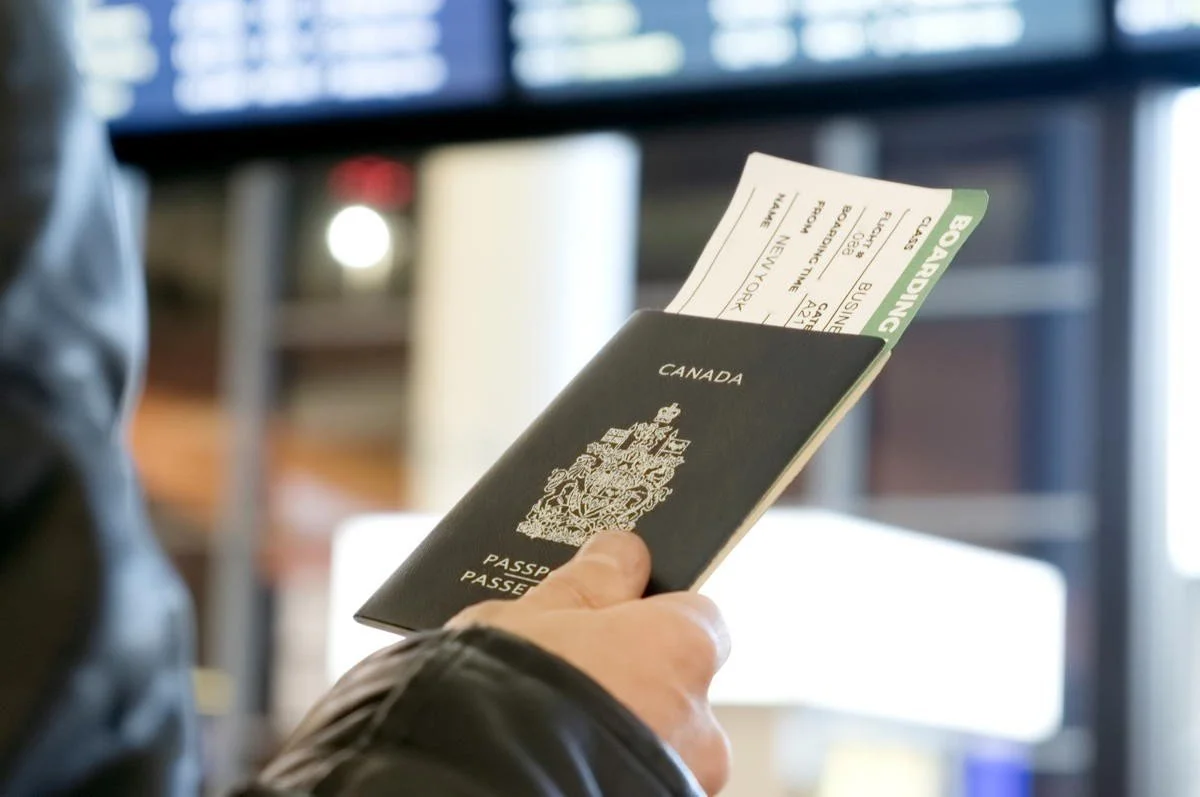
U.S./Canadian citizens need a valid U.S./Canadian passport to travel to France.
Your passport should:
Be issued within the previous 10 years
Be valid for at least 3 months beyond your planned departure
Have at least one blank page available
Money
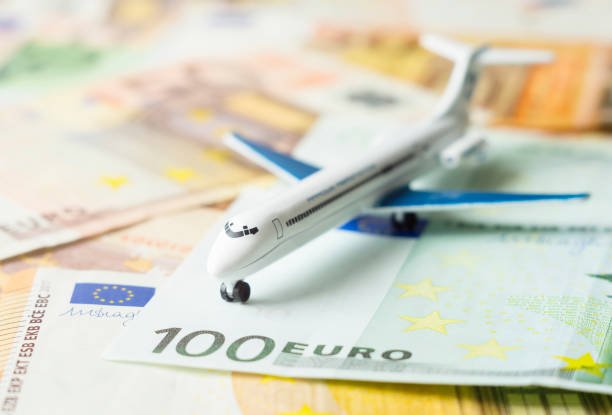
France uses the euro (€). Credit and debit cards are widely accepted throughout Paris, but it is still useful to carry a small amount of cash for cafés, markets, small purchases, or emergencies.
Notify your bank that you will be traveling internationally and consider using a credit card with no foreign transaction fees.
Getting Around Paris
Paris is extremely walkable, particularly around the Champs-Élysées, but the Metro is often the quickest way to get between neighborhoods. Comfortable shoes are one of the best things you can pack!
Taxis and rideshare services are also readily available, particularly for airport transfers or late nights.

Phones & Connectivity
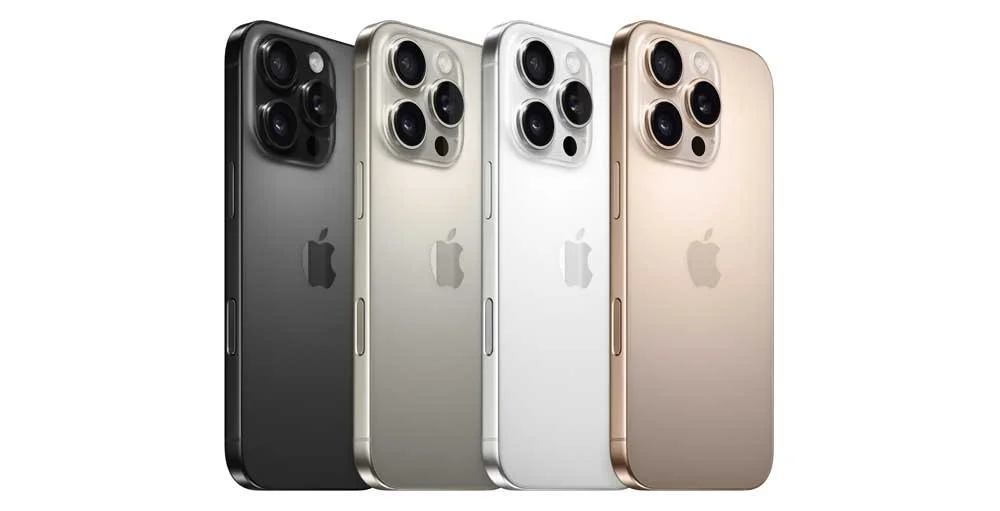
Most U.S./Canada cell phone plans offer some form of international roaming, but check your plan before departure. If your phone is unlocked, an eSIM can be an inexpensive alternative for data while in France.
Download your airline, hotel, transportation, and map apps before leaving home, and consider downloading an offline map of Paris.
Paris Tips
Learn a little French: A simple Bonjour, Merci, and Au revoir go a long way.
Restaurants: Dinner is generally later than in the North America; reservations are strongly recommended for popular restaurants.
Tipping: Service is generally included in restaurant prices, so tipping is not expected in the same way it is in North America; rounding up or leaving a small amount for excellent service is appreciated.
Dress: Paris tends to be stylish but understated—smart casual is a safe choice for most restaurants and bars.
Pickpockets: Be especially mindful of belongings in crowded tourist areas and on the Metro.
Walking: Paris is best experienced on foot, so leave a little room in your itinerary to wander.